
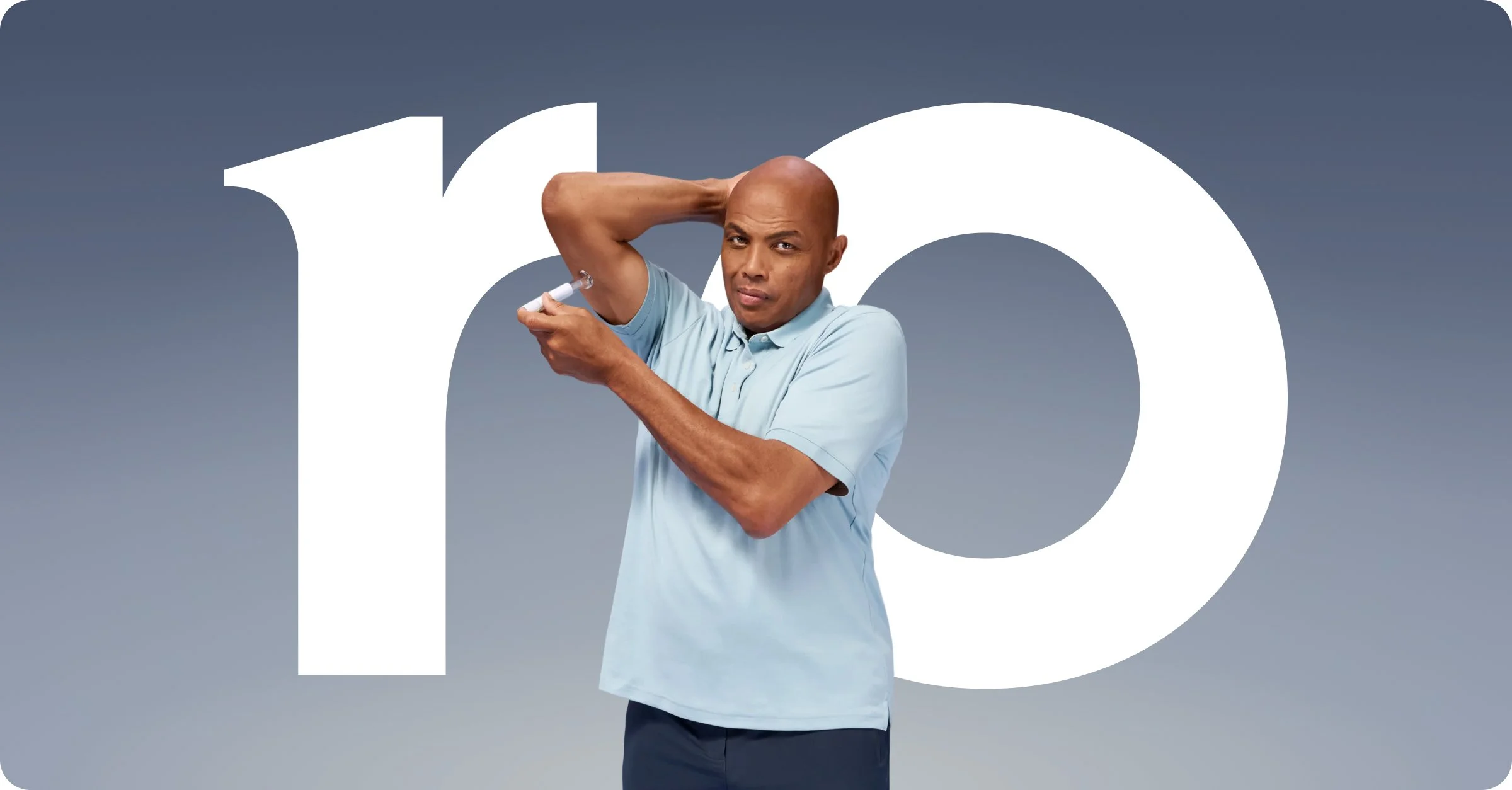
Don’t let Charles Barkley & Serena Williams Sell You Ozempic
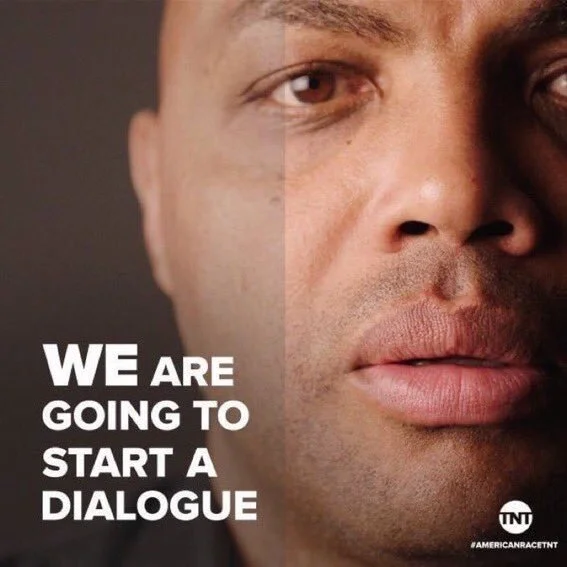
“You don’t need a gym class, crack like Slim Fast. Take a hit and lose a fuckin’ hundred pounds quick, fast.” Says Rich Boy on his criminally underrated song “Drop”. As I commute into work on the train I see ads of Charles Barkley and Serena Williams shooting up weight loss “medication”. Claiming to have lost 45 pounds. And if it could produce results for two of the greatest American athletes ever, imagine what it could do for you!
Charles Barkley Ad I see on the train everyday
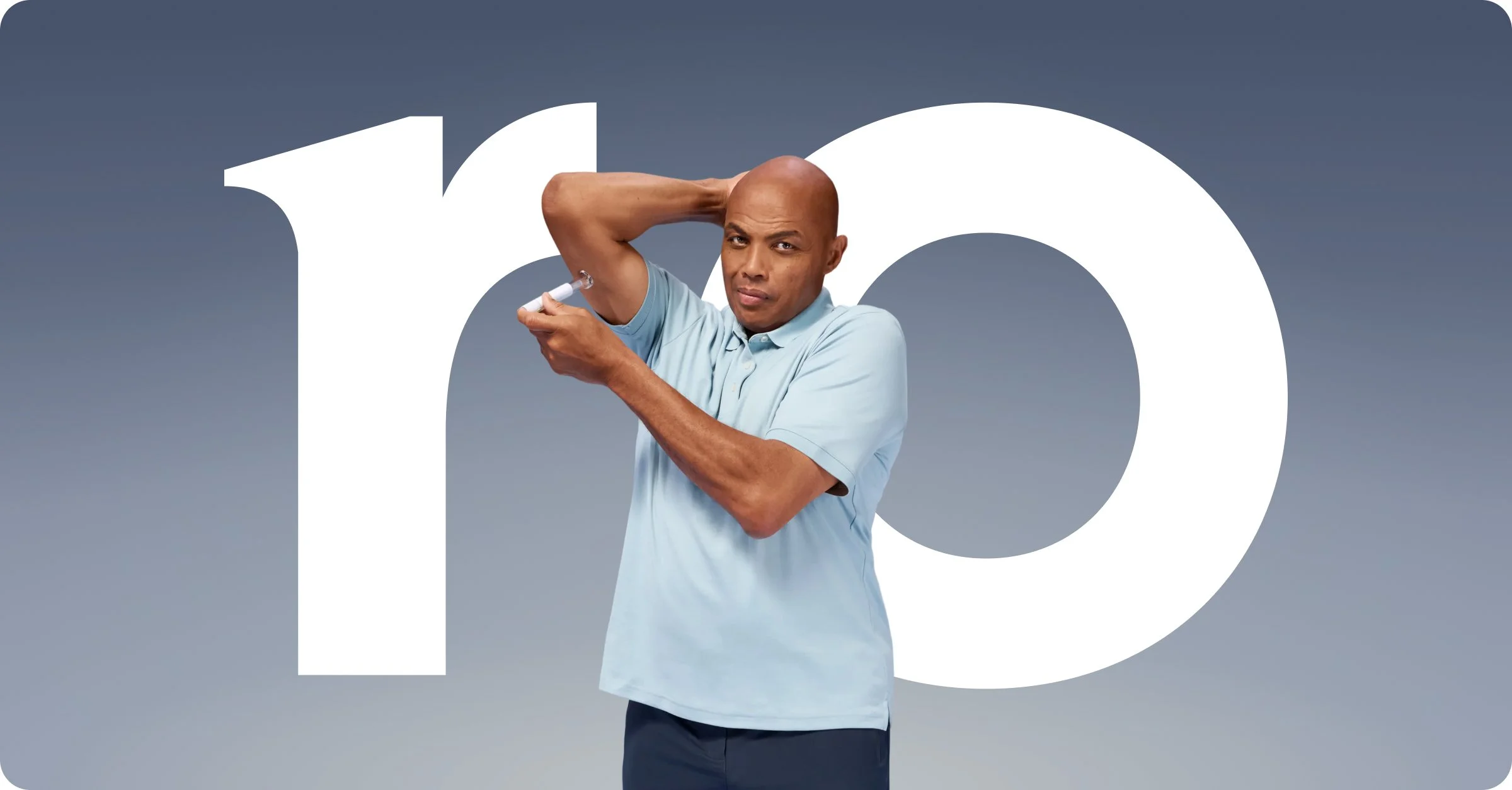
“You don’t need a gym class, crack like Slim Fast. Take a hit and lose a fuckin’ hundred pounds quick, fast.” Says Rich Boy on his criminally underrated song “Drop”. As I commute into work on the train I see ads of Charles Barkley and Serena Williams shooting up weight loss “medication”. Claiming to have lost 45 pounds. And if it could produce results for two of the greatest American athletes ever, imagine what it could do for you!
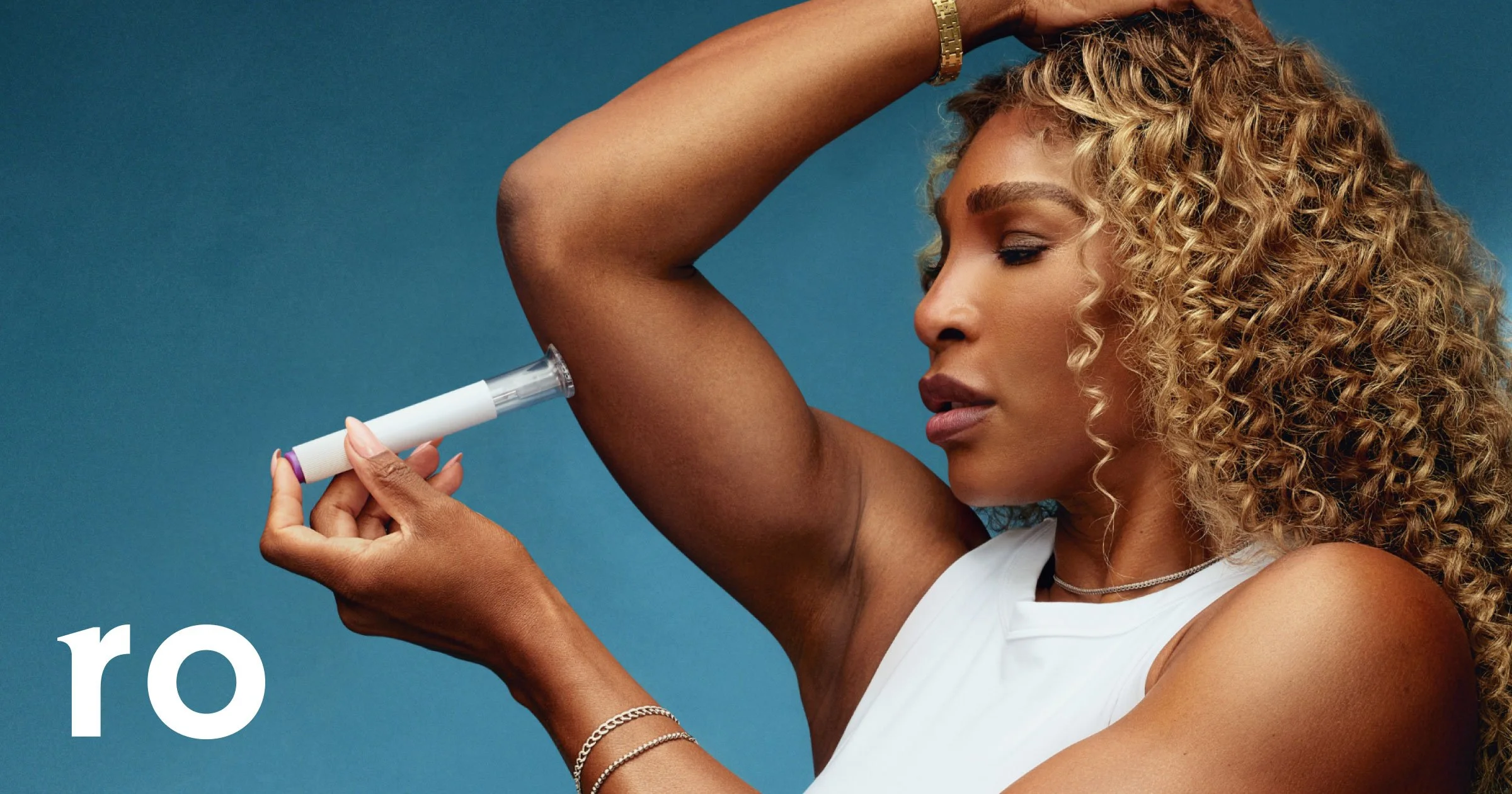
Serena Williams Ad I see on the train everyday
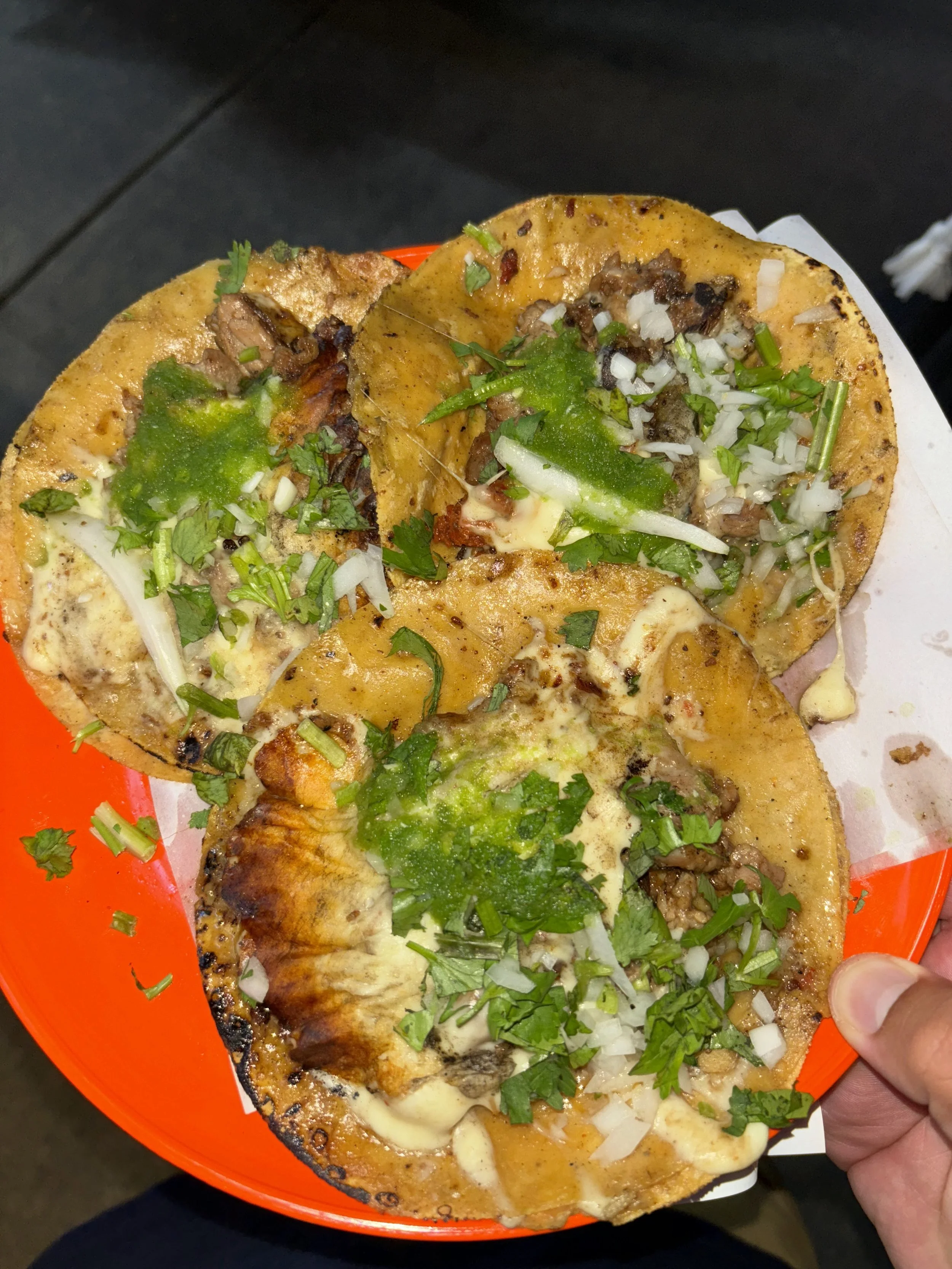
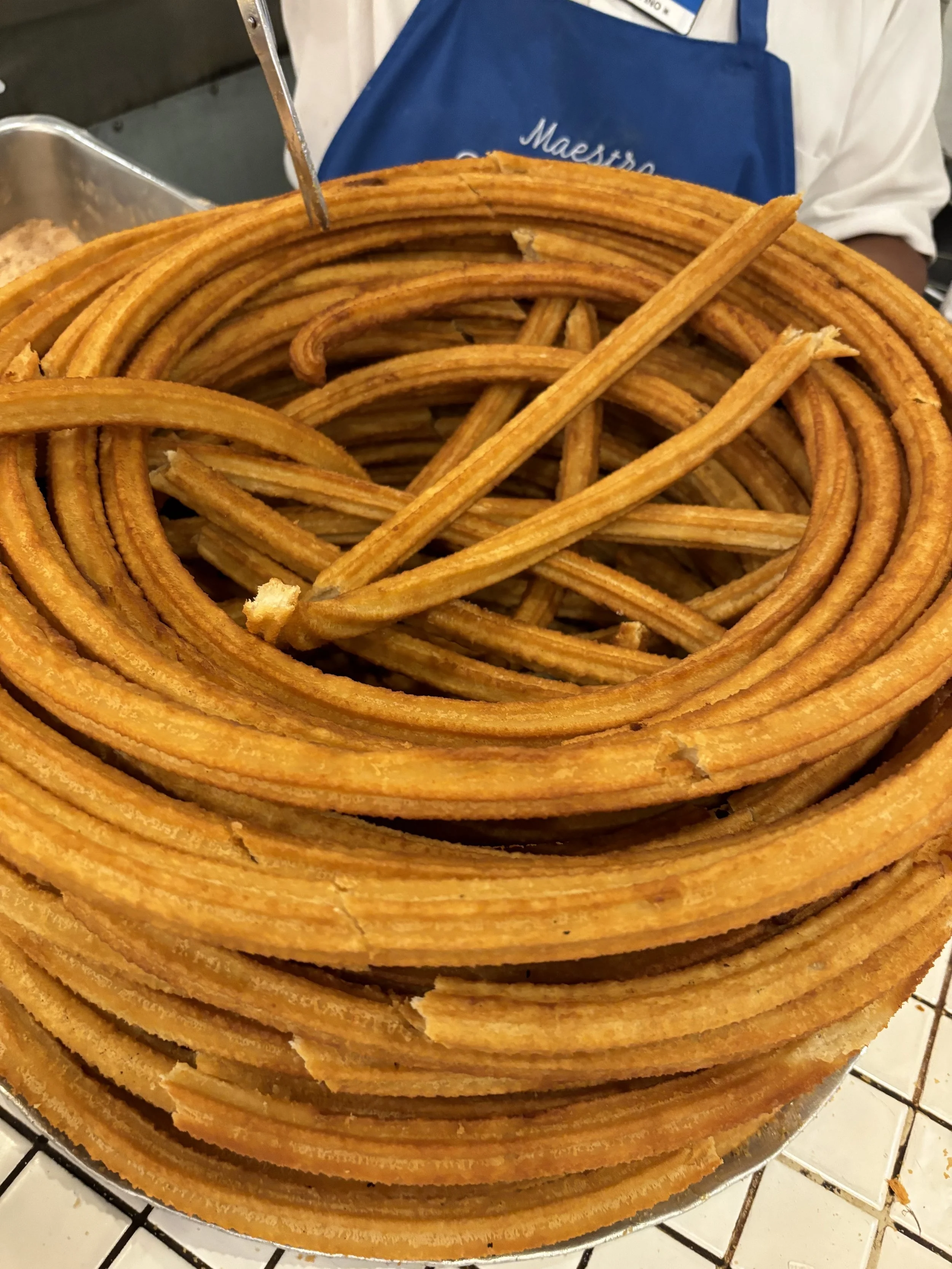
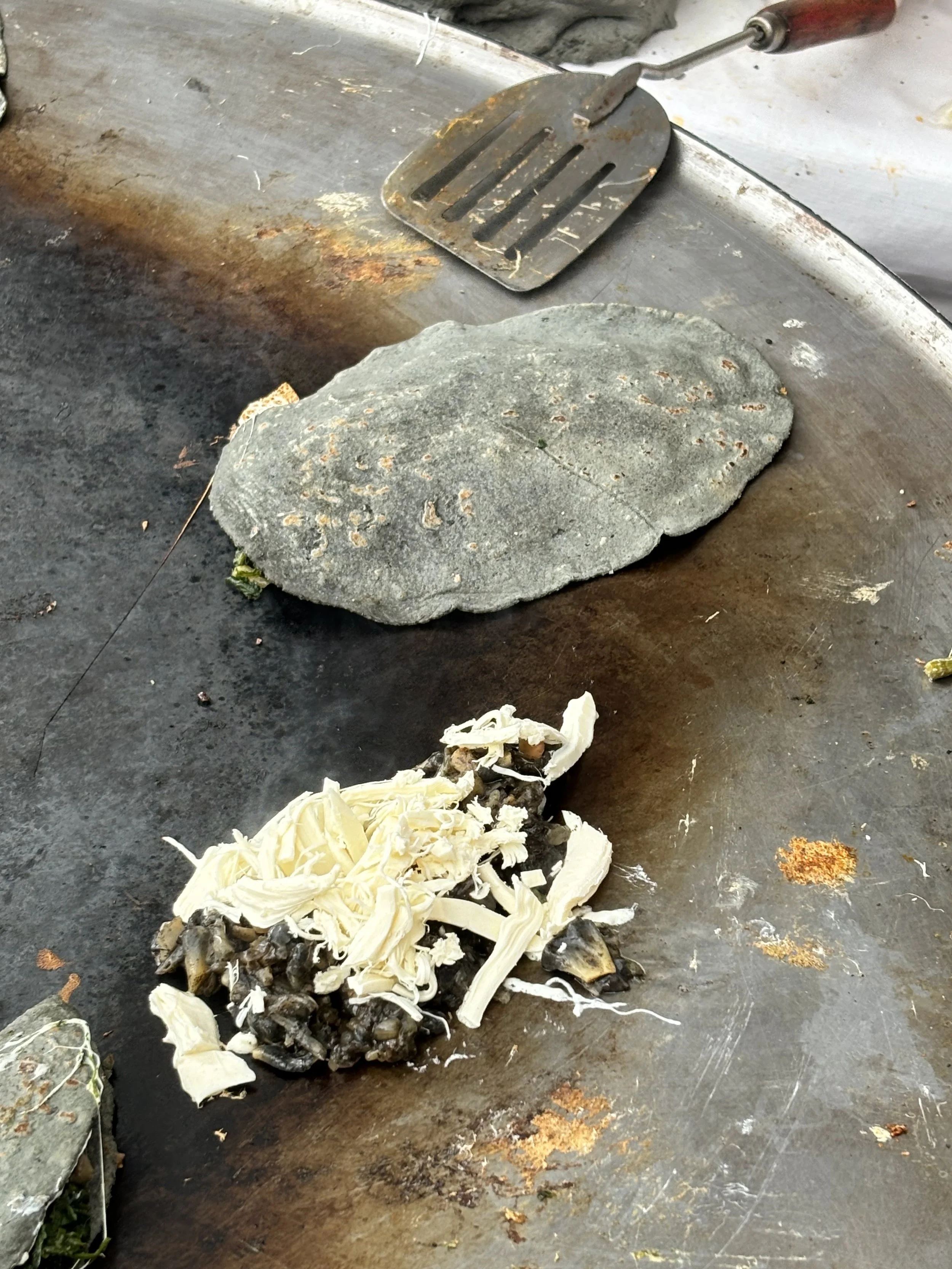
When you spend time out of the country, especially in a non-Eurocentric place, you come to realize that it’s not the FBI, nor the CIA, or the military, IT IS THE FDA THAT IS RUINING YOUR LIFE HERE IN AMERICA! I spent a week in Mexico eating food in every corner of every street. Walking a lot yes, but eating more. I lost weight. I didn’t get sluggish. Even the coffee hit harder! Damn near everything they give us here in America is stepped on, trash quality, food. That’s how they get away with even conjuring up the idea of a weight loss drug anyway.
Why is that in America there’s no healthy solution for anything? This country has a gluttony problem and to fix that they want to give people drugs that cause them to lose weight rapidly. And that’s not to mention the insecurities one must feel to even venture down that path in the first place. While some argue that being “overweight” isn’t healthy, I’d argue that rapidly losing 40, 50, 60+ pounds isn’t healthy either.
The lack of shame in our society propels these things so much further. The fact that Serena Williams and Charles Barkley feel confident and comfortable promoting these weight loss injections says a lot about the state of what people are willing to do for money. The shamelessness that capitalism promotes has people just doing anything, promoting anything, even at the detriment of the public. In a healthy society this wouldn’t be the case.
This is the culmination of compounding ideals we see collide all the time in America. The Protestant work ethic conditions people to go and get it, to strive for what they want, but the worship of consumerist love for convenience jumps above it and stakes its claim as the ultimate destination. Yes, you could eat better. Yes, you could do more exercise. Yes, you could create a better all encompassing lifestyle for yourself. But why should you? Who has the time? You work that job and get insurance for a reason! Buy that needle that YOU THINK Charles Barkley and Serena Williams used to slim down. Cut the line and say hello to your summer body!
A healthy society would ban these things. A healthy society wouldn’t sell us food that kills us. A healthy society wouldn’t promote harmful lifestyles to us. A healthy society would make health info more accessible and abundant. A healthy society would provide more access to healthcare. I could go on forever, but your next Ozempic dose is scheduled 30 minutes from now and I don’t want you to miss it.
This Lame Ass World We Live In
If I can’t voice my opinion on something without losing my job, or getting kicked out of school because the Hillel house finds it offensive I don’t support a genocide, then to me that doesn’t much feel like I have the right to free speech at all.
Recently I went out on the town for my mom’s birthday that doubled as St. Pattys Day. And if you know anything about Chicago, you know that means it was hella obnoxious. However, I got to meet many of her coworkers, which was insightful. “Your parents tell me you’re an activist… I appreciate you, I support you. People like me are scared.” said my mom’s coworker, adding that many people in his field and age group are hiding behind their degrees and holding onto stability as the world blows up.
It was a well intentioned sentiment and based on other parts of our conversation, I know he truly meant it and that he does “support” progressive, and even potentially decolonial movements, even if that just means in his head. But it was also a very dark conversation to experience. In America, If you want a job, you better be void of opinions, critical thinking, passion, and be willing to never go against the grain. Or else.
In the big 2026 we have somehow arrived at a place where to think is to become abrasive. I’m no free speech absolutist, but I do find it to be ridiculous how often people are denied opportunity based on what they have said or liked on social media.
At this point, I’m sure we’ve all heard of a case where somebody has been reprimanded or fired for their behavior online. Sometimes people do exhibit abhorrent behavior in online spaces, but more often than not it’s just not that deep. And we’re now at a point where people are chilled in their speech and okay with essentially not being able to express themselves.
I know many people who have pretty solid politics and opinions on societal matters, yet don’t want to speak about it online. Nor do they want to join any kind of organization that does work to address, political or social issues materially because they fear being publicly associated will harm them. And to not be misunderstood, I’m not saying that to speak online is the epitome of involvement, it’s usually not. It’s more of a signal mechanism that lets us know that you know.
All of these people who have good hearts that would in theory be willing to feed the homeless, help get out the vote, fight racism, and advocate for women’s rights end up completely silenced due to the fear of being reprimanded.
So we must ask ourselves, what exactly is public sentiment when the public has been hushed and muzzled into having to sentiments? Is it fair, or accurate, to measure and recognize complicity by silence if most Americans are forced to disregard their 1st amendment rights for the sake of social mobility?
I have theorized for a while, as a minority living in America, what exactly are rights under late stage capitalism? If I can’t voice my opinion on something that is seen as “counter culture” without losing my job, or getting kicked out of school because the Hillel house finds it offensive I don’t support a genocide, then to me that doesn’t much feel like I have the right to free speech at all.
When Will Our Children be Loved & Cultivated?

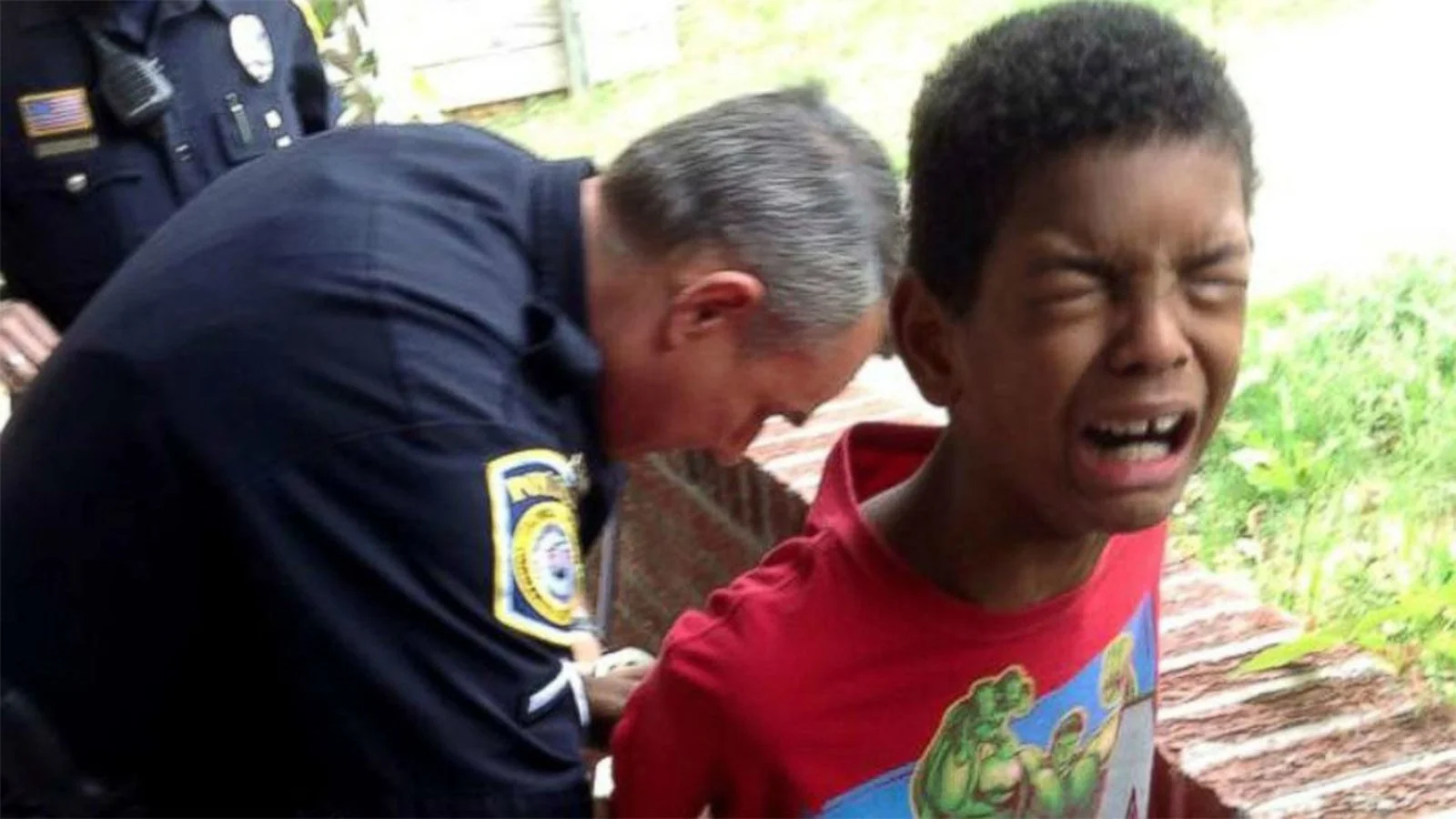
Recently there has been a viral video floating around of a mother detailing her son being arrested at his school and why. Essentially, the child had been controlling the internet at school. The mother explained, “He was shutting it off, turning it back on when he wanted to. It was to the point where these kids had off school. Their teachers could not email each other… They called in the National Guard to figure it out and they could not figure it out.” The video ends with the mother sadly believing the system’s stereotypes, that her child is a “criminal”. This situation lead to him getting apprehended by not only the police, but the DA as well. They chose to arrest him instead of guiding his skills. Minority children, especially black, are never hailed for their excellence. Only criminalized. When will our children be loved and cultivated?
I remember in middle school a lot of kids would resell candy and chips. I admired it. Obviously, the school did not. I saw kids get suspended, arrested, and threatened with expulsion for this. Often times being directly apprehended by the schools police officer. Yes, we had a police officer at our MIDDLE SCHOOL. I never understood why kids got in trouble for these things. I was under the belief we lived in a country that loved free market enterprise. Is it not enough to police us in school as early as 10 years old? Is it not enough to make our parents experience of raising us (and often times themselves simultaneously) the most excruciating thing?
Minorities do not need to be counseled on our mistrust. The builders and operators of the systems we live inside do. I can’t even begin to count the number of times I was told as a child that I have a, “problem with authority”. Did I, really? Or did I have a problem with allowing a person, only because of their position or status, to belittle and disrespect me? To be a minority that rejects disrespect is to be considered a criminal. And they start us off early in school. If we ever want to live in a better world we must start with the proper cultivation of the children. One that is consistent and high quality for all children. The policing of minority children must end. We must let them be free, and shine like they can. A child doesn’t need police apprehension; it needs guidance, love, and an environment willing to invest in their emotional and intellectual well-being.
This incident is not isolated. The mistreatment and criminalization of minority children is a feature of our public school system here in America. Check out this story, and this story to see the pattern more clearly.
The Role of Art and Artists in Activism: How Society is Changed by Art
Art is a powerful driving force in nearly every modern culture. Through its vast mediums people are always finding ways to express their thoughts and feelings through art. It is often through art that the wants and needs of “the people” are first exposed in the “mainstream”. People have presented and made art in such provocative ways that caused our societies to change and shift to new social, political, and cultural norms. In our modern world to be an artist is to be an activist. Not all activism is art, but all art involves activism. In a society that consistently seeks to dehumanize, commodify, and deflate us as human beings to be alive in your expression, say no to the industrial ways of work, and freely be your deepest human self is to defy the plight of the human condition. Art also makes the radical more palatable. Whether the idea is far right or left when given to the world through art it’s easily digested, pondered, and sometimes even acted upon. Today I explore those ways in which art has helped change our society.
I want to bring us to the year 2004. Facebook is launching, Lance Armstrong wins his 6th straight Tour De France, US President George W. Bush is re-elected, The Incredibles is fresh on the scene, and the average national price for gas was $1.88. In the midst of all of this, a hip-hop group from Atlanta, Georgia commandeers the ear of the nation with a song that would grip the fashion culture of America’s youth. “White Tee”, by Dem Franchize Boyz exploded as one of the hottest songs in 2004. Hitting number 79 on the Billboard Hot 100 chart. In an era, and culture, the opposite of minimalism DFB made the statement that less is more when it came to their clothes, speaking in their video about the affordability of the new style, “5 for $10?…Great news, I just saved a ton on my wardrobe by switching to white tees” the faux news anchor says in their video for the single. As the song’s hook goes, “Fuck a throwback I look clean, in my white tee” DFB denounces even wearing the jerseys of cultural sports icons of past and present for their favored modest and clean look. Think about fashion today, specifically in hip-hop culture (which is now pop culture), designer brands and their logos are flaunted, the biggest price tag is praised, and honestly if it’s not name brand it’s probably considered to be lame. 17 years ago this group took a stance on fashion that said they’re not concerned with what’s popular or what’s expensive, defying consumerism. No more dollars were going to big fashion corporations that thrived on minorities' ability to make them popular with no return to their communities. And instead of money going to say a Ralph Lauren or Gucci, it was being spent locally at beauty shops and gas stations that supplied the shirts for the “White Tee Extravaganza”. They were comfortable in their own skin and didn’t need the social protection of logos and price tags to be considered stylish.
NINETEEN EIGHTY-NINE! (In my Flava Flav voice). Artists are consistently sending messages through their work. No matter what the content, there’s always a message. As an artist you hope your message reaches its target audience. So when George Bush Sr. called Dread Scott’s art installation “What is the Proper Way to Display a US Flag?”, “Disgraceful”, Scott thought it to be, “a tremendous honor” during his Ted Talk (yes, a real Ted Talk). The art installation, at the School of the Art Institute of Chicago, was for patrons to participate in themselves. It featured a collage poster with the title of the installation, a book for participants to write their feelings in, and an American Flag on the ground directly below the book, where people had to stand. Way too often the change seen and experienced through and by art is intangible. This piece was able to stir the social pot so much it had to be addressed in court in the capitol of our country; it inspired a Flag Protection Bill to be proposed in the same year. Ultimately going unsigned. Beyond the near change of legislation also lied the surreal experience participants were faced with analyzing the oppressive systemic issues we have in America and abroad due to foreign policy and ambitions. Americans often sit upon a high horse because we are indoctrinated to believe we are the best in the world at everything and in every way. This attitude makes us ignorant to our own issues and reluctant to learn we have issues in the first place and then docile to act upon the fixing of said issues. Art of this kind poses a special kind of problem for our government and so-called “American Way of Life”, because the curse of knowledge is that once one is made aware one is also faced with the desire and need to act upon what is now known. That feeling and need to act on what is now known is the actual first step in change in any arena.
Our country is no stranger to police shootings. On average around 3 people are killed daily by police in America. And in most cases officers are not charged with any crimes, receive paid leave, and then just return back to work like nothing happened after a couple of weeks. It was rare for these shootings, and non convictions, to be met with any resistance or change to police policy. That is until 2014 when a kid named Michael Brown was murdered by a policeman in Ferguson, MO. This murder sparked an active resistance in the streets of Ferguson, and for the first time in my lifetime I saw people stand up for what we all knew to be a terrible tragedy. Recently I had the opportunity to speak with Robert Cohen, one of six photographers from the Pulitzer Prize winning St. Louis Dispatch who covered the Ferguson uprisings. Personally, I think it’s more beneficial no matter what the circumstance is to get first hand accounts from people who lived the moments we are curious about. Which is why I reached out to Robert to ask him specifically about his photo of Edward Crawford, the image that captivated not only Ferguson residents leading it to become a sign of resistance itself, but the entire nation as we watched the events unfold. The image shows Mr. Crawford dressed in an american flag tank top, blue jeans, eating a bag of chips, and throwing back tear gas towards the police which had been used against the civilians that night. Robert has been a photojournalist for over 30 years covering the St. Louis area. He explained to me that protests were normal, but the events of Ferguson were very rare. The biggest thing that made this event different, aside from the military like quickness and overall response from police, was that normally police were observers of protests which usually involved them just watching and not being active participants. During the events of Ferguson police became active because they were now the targets of the protest. The Pulitzer Prize brought a sense of validity to work of the St. Louis Dispatch and to the protests themselves. When attention, especially from national mainstream outlets, is given to major issues and events the attention itself can often become an instrument of change. The Ferguson protest brought about a lot of change in the area. Police budgets, quotas, and legislation surrounding bail were altered on a local level after the protests. As we know today in 2021 the struggle between the public and police is still not over and we will never get those lives back, but resistance to our circumstances is proving to be beneficial in the marginalized people’s struggle for their human and civil rights to be recognized in America.
As capitalism demands the commodification of everything under the sun it is important to remember the impact of these things are real and are in direct defiance of the demands of our capitalist society. Art is the messenger of the people. Art will tell you what is happening in this world better than Fox News or CNN. Art and artists will be at the forefront of all revolutionary thinking and action, like they have always been. Look to these examples whenever you’re in doubt of the power of artistic expression and its lasting effects on our world.
Perfectionism
Tackling perfectionism is a tough task, especially as an artist. Quitting, anger, and regret can all arise from it. I spoke on my thoughts and experiences with perfectionism alongside some incredible artists.
When you create for a living, the space you create in is essential to the process of creating. Too often we think of the “space” being: a clean room, studio, natural light, openness of the area, etc. But how often do we consider the “space” to be our minds? For me, it’s rare.
“I love how you’re not scared to try anything”, my great friend and talented producer Gold Haze says to me via text, in response to a video I sent to our group chat of me DJing at home. Starting has never really been an issue for me. Research, motivation, the “fuck it, let’s see” mind state, I have all of that. But there’s something that derails almost every venture in my life: perfectionism.
This is what’ll happen: I start something, I like it, show some friends, they like it, the project gets the green light, I put it out, people like it, I do it for a bit, etc. Then, I get an overwhelming feeling that if I don’t scale this up immediately and make it the best thing it can possibly be by tomorrow damn near it is essentially trash and needs to be done away with. Basically, I quit on my projects often instead of making gradual scaling plans that coincide with the pace I'm naturally working at.
A lot of times this pains me. Friends will ask, “Jordan, why don't you do ‘The Conversation’ anymore?” or mention other projects I ended while they had great momentum. These interactions add to the negative self talk I have going on internally regarding these projects. I want to make everything I do big and grand. I feel defeated when I can’t make that happen in the snap of a finger. It makes me feel like I’m pushing a lousy product when in reality, like most things in life, my projects just need attention, focus, care, love, thought, and the space to grow over time.
I’m still looking for ways to combat this. The simple fact of writing out these thoughts and feelings about the matter feels like combatting it already. I just can’t forget to give myself space and opportunity for that growth to take place.
I was curious to see if other artists thought about these things as well. Like most things in life, you’re never alone. Here’s some incredible artists thoughts on perfectionism:
Ron Louis (@Ron_louis) - I definitely deal with perfectionism and obsessive tendencies in general. Once I have an idea that I feel in my gut I should or want to see if I can do it I immediately try it and if it doesn’t come out exactly how I imagined I don’t share the idea or design. It could be perfectly fine to others and I’ll hate it. I haven’t made or released too many items I absolutely love and that’s due to my relationship with perfectionism. The flip side of battling with it is that I’m constantly pushing myself and found a medium when it comes to actually releasing things.
I think it goes both ways for me like I said before. One side I sometimes hold out on ideas and might see someone release something similar and it goes well and it could be not as well executed as the idea I think is “just not right”, that’s always interesting for me to see. I think it helps me make the best product I can with the resources I have. Once I feel like I did the best I could with the idea I just leave it there and move on to create something better in my opinion. I just keep working at it and just like any emotion I deal with, I sit with the feeling, look for solutions, and do my best. If it gets figured out or not I just let it go after I try my best to keep working at it and I learned that sometimes your timing is off. Keep the idea and be prepared to have the resources to execute it later. Having faith and believing in the future helps me let the feeling go.
Bianca Garcia (@helloimbiancaa) - I would like to believe I am a perfectionist in every aspect of my life but even more so when it comes to my photography. It’s a suffocating trait to have in a sense that nothing will ever be good enough. I will be editing the same photo for days and even when it’s done and looks physically perfect I will always find things that I am not happy with. It makes me work harder but I’m mentally and physically exhausted everyday because I know people now expect my work and retouching to be immaculate.
Drew Brown (@thefilmlord) - Do I struggle with perfectionism? Yes, of course. It comes with the territory of being an artist and actually getting paid to think outside the box. When you have a certain mentality based on what someone sees as perfection. You may try to carry that over to future projects based on how good or how bad something turned out.
My perfectionism comes in composition. I have, like, OCD when it comes to shots that I do or shots that I want to use. I have to make sure that lines are straight and crossed and there is a centerpoint to most of the shots. Along with how clear something can be.
The perfectionist trait can be helpful and harmful. It can be helpful in a manner of making sure that all your eyes are dotted and your T‘s are crossed when it comes to the little things. It can be harmful by sometimes never knowing when to walk away from a project. I just learn to walk away from projects when a customer is satisfied and not to make everything personal. Because the customer is who matters most.
When it comes to perfectionism I sort of let it play its course. It actually helps me when it comes to details in production. It really does act as a handicap when I’m looking to get things done. I may stress over the little details but the little details are what people notice the most.
Gold Haze (@goldxhaze) - my process helps me a lot as an artist & a producer. Throughout my years of putting together projects, I’ve learned that it’s best to release more material to the people as possible because there’s always room for growth. There will always be more ideas to learn & do in the future. That’s the fun part. As a creative we’re all sensitive about our work but with that being said if we don’t release how will we grow in a sense? People always ask how do I always remain consistent in my space? The answer is simply not overthinking & putting it out when it feels right. I understand everyone’s process is different but I’ve learned way more about myself by releasing music/projects to the public rather than holding everything for years & taking way too long to perfect it. We’ve seen the downside of being a perfectionist & how it can hold an artist back. There’s nothing wrong with taking your time to put ideas & things together but life is not promised forever. Put the shit out.
Amanda Ruano (@thiccnvegancookies) - The perfectionist trait can be harmful to my creative process. It causes me to not fully focus on my project's objective, but rather meet a standard. It pushes me to compare my work to others with the possibility of devaluing my creative process and myself. The comparison gets so much bigger than my project and their project, but also my experience vs. them, my background vs. them, and me vs. them. Then it sparks the lack of motivation. Now, my creative process is not as hindered by the perfectionist trait because I have learned my creative process is different than others which will result in what I produce, and the outcome can not be duplicated.
Kin Marie (@kinnmarie) - I definitely struggle with perfectionism especially being in the career path that I’m following, art direction can be very tedious at times and therefore can lead to a lot of overthinking, over analyzing, and definitely many other common perfectionist traits that aren’t the best.
I’m not going to lie, my perfectionist trait does come in handy when I need it the most. I definitely am a person that can move more comfortably when I’m clear on what my role is for something, and also when I have a clear layout of whatever it is that I’m doing or creating. And with that need, often times leads to a need for me to create systems and organizational structures that can help me do everything that I want to do. But sometimes what I want or envision can be so much that I don’t really take into consideration what I need to do personally, in order to properly take on certain things in a way that gets the job done while also providing myself space to breathe. That perfectionist behavior can often times give me the results that I’m looking for, which is great… But also can result in boundaries that have been crossed or burn out or self sabotage due to the feeling of that burn out. Because often times when you have perfectionist traits and you begin to experience that burn out, that often can transmute into imposter syndrome or disappointment that you don’t have the efficiency that is presented to you through social media or other professional and creative environments from the outside looking in.
I’ve had to learn how to be honest with myself. And sometimes that means talking to myself like I am the child version of who I once was. I learned that a lot of my struggles that I have now are connected to my experiences from the past growing into who I am right now. My sense of perfectionism comes from circumstances in school, personal experiences with family, rejections that I internalized, or even rejections that I have protected myself from out of fear before even seeing if I would get rejected or not. I have to remind myself that everybody is on their own personal journey, and that it makes absolutely no sense to compare myself to other people who are going through completely different human experiences. In order for me to grow and flourish it’s not about creating these perfect structures where I’m producing in a mechanic way. That completely diminishes the creative and honest process of making the things that you want in this world. You have to see what genuinely works for you. You have to face yourself and be honest about the things that you hide from, the things that you naturally reject, the organizational structures that just do not work for you, the things that you do and do not understand so that you can create an environment for yourself where you are genuinely learning and growing into the person you want to be, the creative you want to be or whomever. I’ve learned to be more gentle with myself when everything doesn’t go exactly the way that I want to. I’m learning that there’s only 24 hours in a day, and as long as I’m alive I have an opportunity at any and every moment to continue to grow into the person that I always have known deep down inside that I am. That reminder alone, keeps me from projecting my insecurities and fears through perfectionist traits that ultimately do not serve me.
Mars Jones (@dorightmars) - The perfectionist trait is harmful for me and my practice because it keeps me thinking for too long on whatever I’m creating. I’m a firm believer in not rushing to put work out, but perfectionism can be debilitating.
I believe that some of the most pure forms of art & creation come directly from the soul in real-time so things like a great Jazz session, freestyle rap and dance battles are beautiful and inspiring to witness. Same with me as a DJ- I really just let things flow. When it comes to art & design, I’m forced to stare at work for too long sometimes and I begin to tinker too much and nitpick. So many ideas have been shelved and scrapped over the years but now I have a group of trusted peers who give great constructive feedback and also understand what my vision and voice is so I lean into peer reviews whenever I’m stuck in a rut.
Honestly the best stuff is usually either super detailed and intentional or free-flowing and raw in my opinion so I try to let go and let God these days. If it’s hot, it’ll connect & if it doesn’t then at least I didn’t wait 6 months to drop something that fell flat anyways and I’m already on to working on the next idea.